
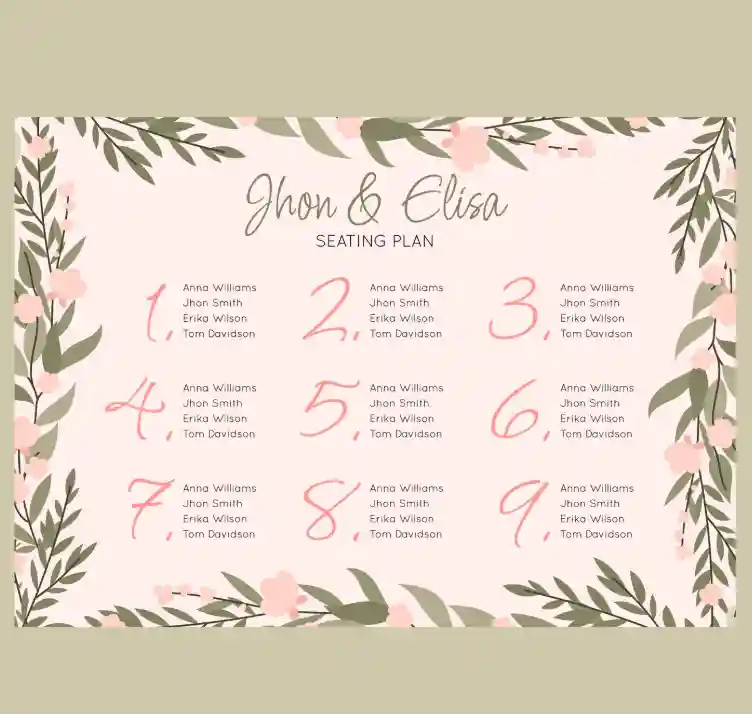
Designing the layout for your big day is often considered one of the most challenging tasks in the planning process.
While it may seem like a simple logistical puzzle, creating an effective wedding seating plan is vital for ensuring that your guests feel comfortable and engaged throughout the celebration.
A well-thought-out arrangement can prevent awkward social interactions and foster a vibrant atmosphere, allowing you to curate the perfect environment for your friends and family to enjoy the festivities together seamlessly.
Prioritizing Guest Compatibility
The most successful arrangements start by considering the relationships between your attendees. It is helpful to group individuals who already know each other, such as coworkers, college friends, or extended family members.
When guests are surrounded by familiar faces, the overall energy of the room remains high, and the conversation flows naturally. If you have guests who do not know anyone else at the event, try to seat them with others who share similar hobbies or life experiences to help break the ice.
Managing the Proximity to Key Areas
Where your guests are located in relation to the main action can significantly impact their experience. Consider the placement of your wedding seating plan in relation to the head table, the dance floor, and the speakers.
Older guests or those who prefer a quieter evening should be placed further away from the loudspeakers or the high-energy dance floor. Conversely, energetic groups who love to engage with the entertainment will likely appreciate being seated closer to the action.
Balancing the Room Layout
A visually appealing and functional layout is essential for both your aesthetic goals and guest comfort. Avoid overcrowding tables, as this can make serving meals difficult and leave guests feeling restricted.
Ensure that there is adequate space for servers to navigate between chairs and for guests to move around the room freely.
A balanced distribution of tables creates a sense of order and elegance, ensuring the space feels both intimate and spacious as the celebration unfolds.
Handling Sensitive Family Dynamics
Family dynamics can sometimes complicate the process, but careful placement can mitigate any potential tension. If you have divorced parents or family members who do not get along, consider separating them by placing them at different tables or on opposite sides of the room.
By focusing on neutral ground, you can create a peaceful environment that allows everyone to focus on the significance of the day rather than past conflicts or awkward social pressures.
Integrating Clear Signage and Tables
Once you have finalized your wedding seating plan, communicating this clearly to your guests is paramount to a smooth start. Use attractive escort cards or a beautifully designed seating chart placed prominently at the entrance of the venue.
This prevents confusion during the transition from the ceremony to the reception. Ensuring that table numbers are clearly visible from a distance also allows guests to locate their designated spots quickly without causing a bottleneck at the entrance.
Reviewing the Final Logistics
Before finalizing your arrangements, take a moment to double-check the dietary requirements and mobility needs of your guests. Ensure that anyone with physical limitations is seated with easy access to restrooms and exits.
Furthermore, confirming that high chairs or extra space for strollers are included in your wedding seating plan will show your guests that you have considered their unique needs. Taking these small but thoughtful steps ensures that every single attendee feels valued, respected, and ready to celebrate.